 Espaço daPlásticaHospital · Campo Grande
Espaço daPlásticaHospital · Campo Grande
Espaço daPlásticaHospital · Campo Grande
Non-surgical procedure
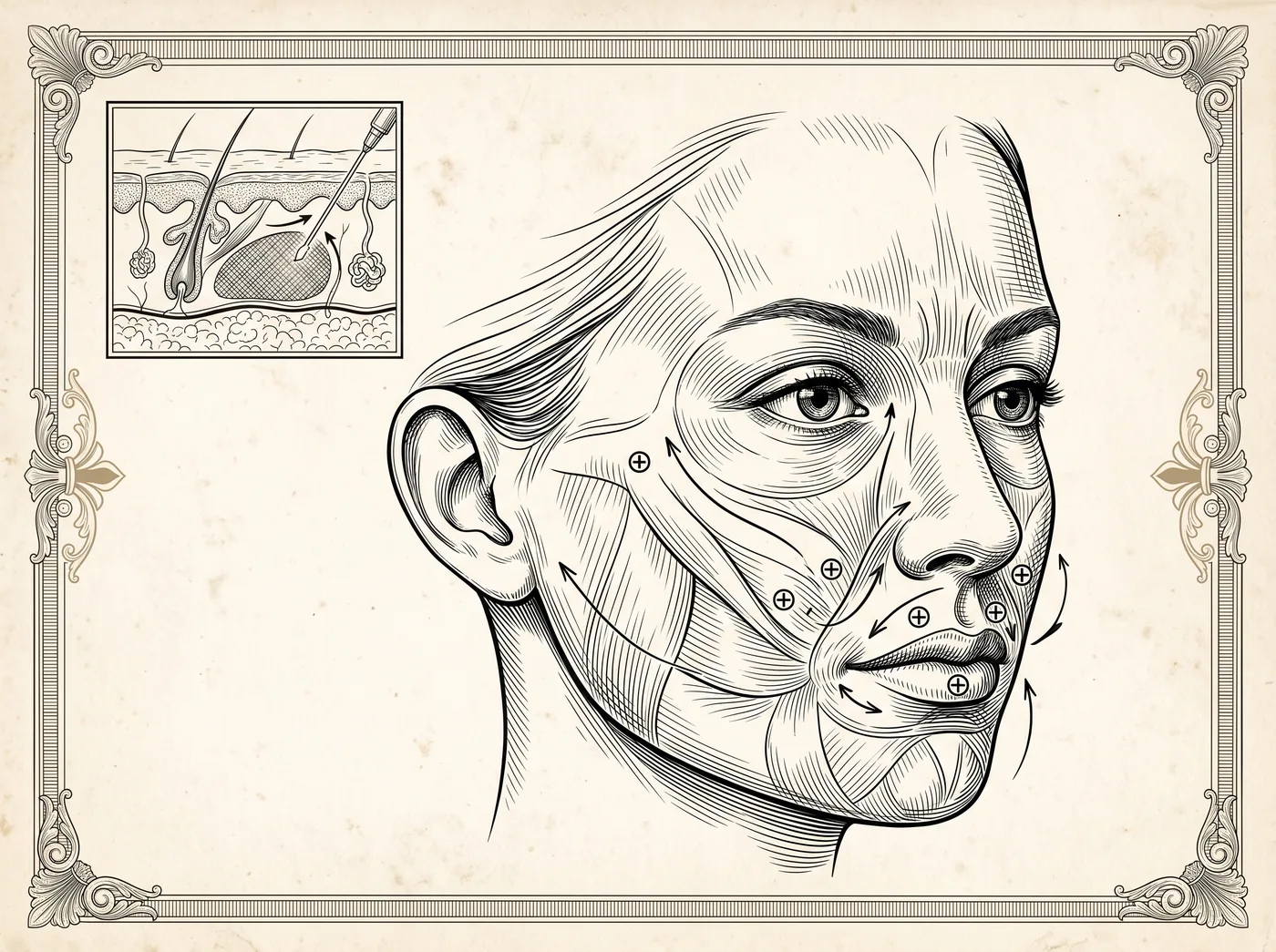
Facial harmonization brings together non-surgical techniques — such as botulinum toxin, fillers, and collagen biostimulators — to balance facial proportions. More than treating a single isolated point, the plan considers the face as a whole, with results that take shape gradually.
Goals of the procedure
Every procedure has indications, contraindications, and risks. An individual evaluation with a physician is essential to determine the appropriate treatment for each case.
Frequently asked questions
It depends on the case: botulinum toxin, fillers, collagen biostimulators, and threads may be included, among other resources. The plan is individual, defined during a medical evaluation.
Part of the effect is noticeable right away; settling usually completes within about 30 days, when the result becomes more apparent.
On average, one to two years — varying according to the substances used and each person's metabolism.
No. The materials used are absorbable, and periodic maintenance sessions are part of the treatment plan.
The goal is to balance proportions while preserving the identity of your face. Decisions are made together with the physician, step by step.
The next step
The right decision is born from a good conversation. Bring your questions: an individual evaluation is the first step of any plan.


