 Espaço daPlásticaHospital · Campo Grande
Espaço daPlásticaHospital · Campo Grande
Espaço daPlásticaHospital · Campo Grande
Body · Surgical procedure
The treatment of burn sequelae combines reconstructive and regenerative resources: skin grafts for damaged areas, laser therapy to improve scar texture, and silicone and compression therapies to prevent hypertrophic scars and keloids.
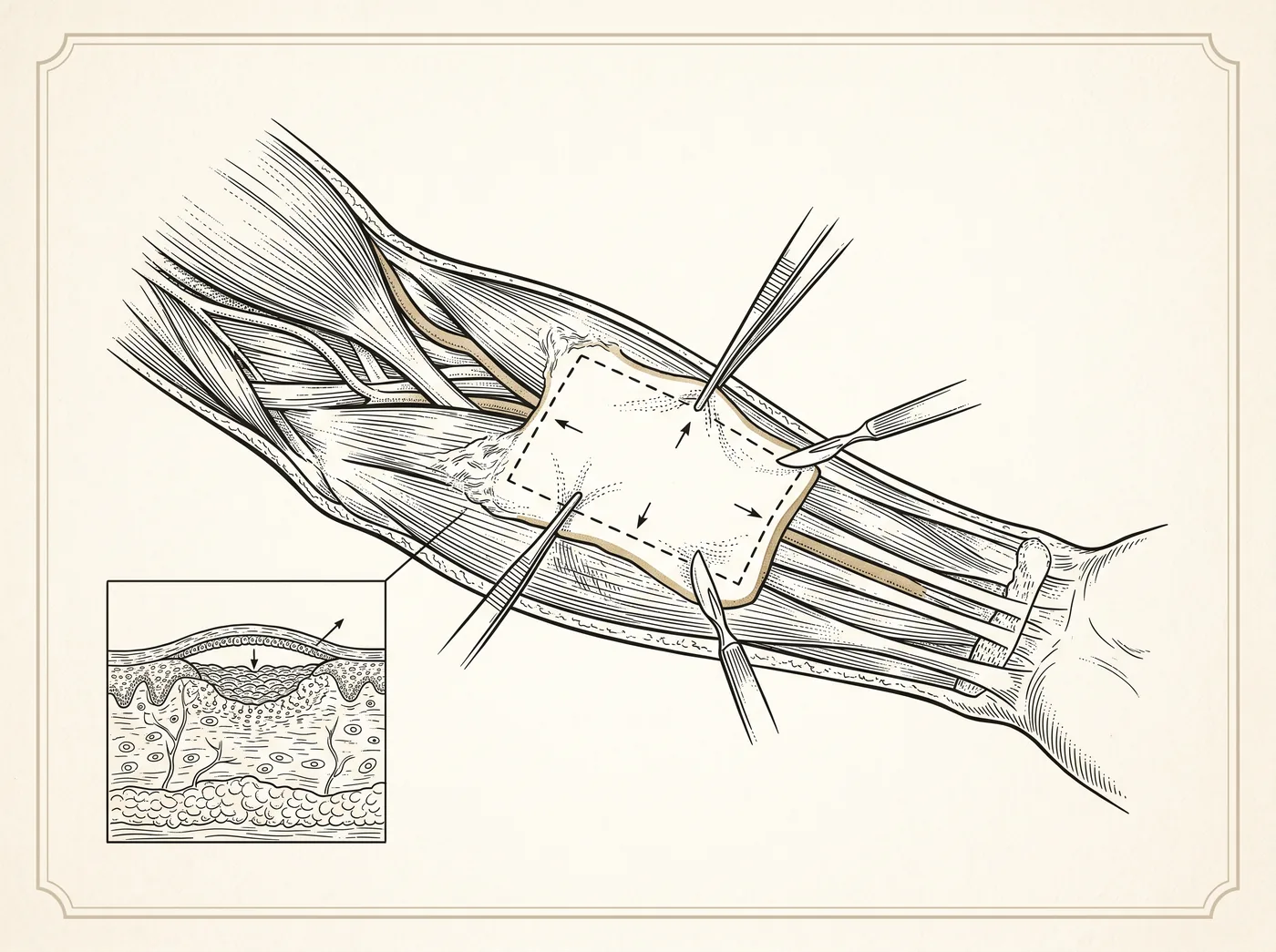
Goals of the procedure
Every surgical procedure involves risks. An individual consultation with a plastic surgeon is essential to determine the appropriate treatment for each case.
Frequently asked questions
Ideally, follow-up should begin early: preventing pathological scars is usually more effective than treating them late. Each phase of healing has its own resources.
Yes. Long-standing sequelae can be addressed with surgery, grafts, laser therapy, and other techniques, according to the assessment of each case.
Often, yes. The number of stages depends on the extent and depth of the sequelae, with reassessments throughout the process.
Very often, yes — especially to preserve movement in areas near joints. When necessary, the plan is multidisciplinary.
The next step
The right decision begins with a good conversation. Bring your questions: an individual consultation is the first step of any plan.


