


Every surgery — including aesthetic surgery — is a medical act of responsibility. And the safety of a medical act never depends on a single factor: it is built in layers, which begin weeks before the surgery and continue after it. When they all work together, the patient rarely notices them. That is precisely the goal.
This article presents those layers, one by one, so you know what to look for — and what to ask — before making any surgical decision.
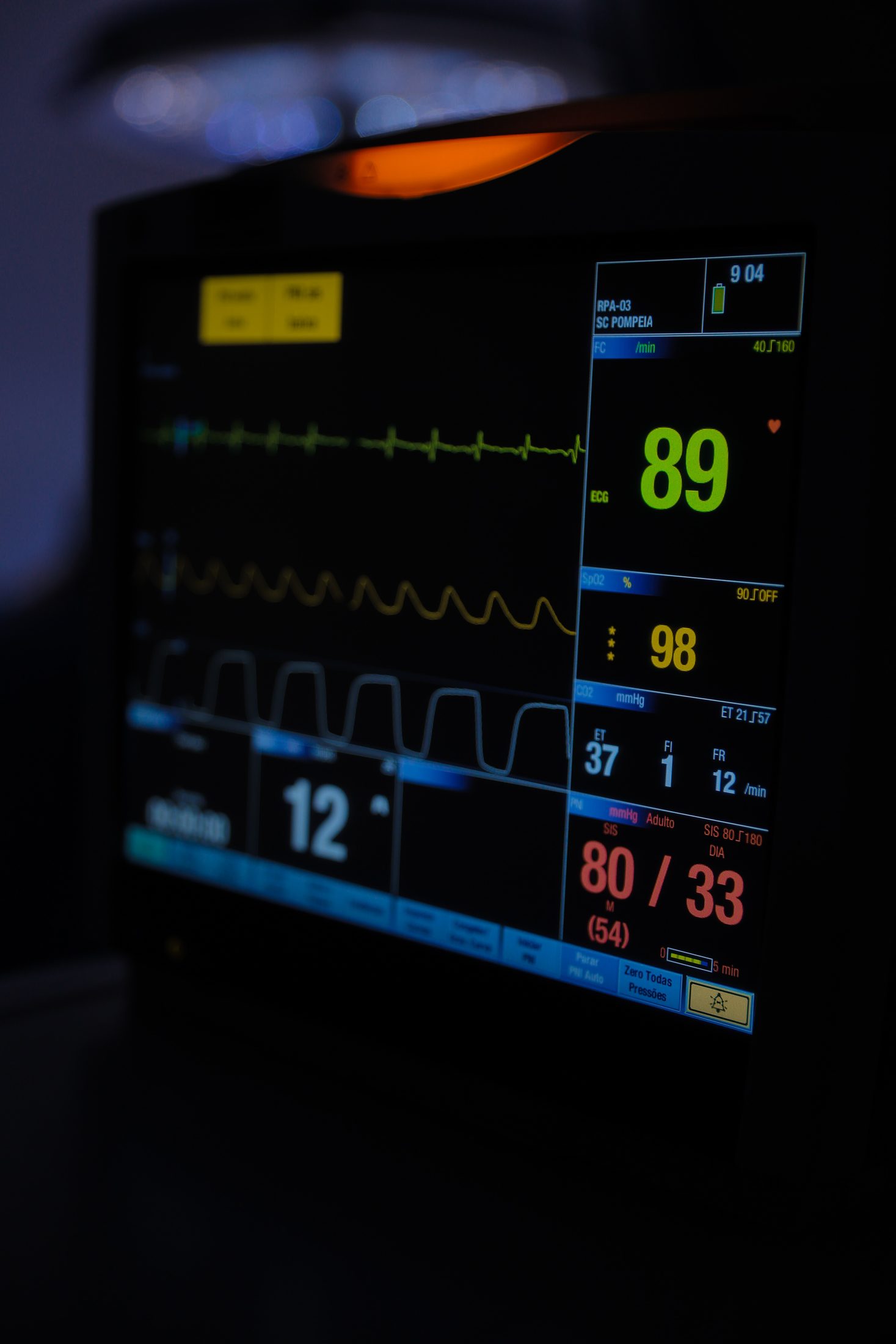
Elective surgery is planned surgery
Plastic surgery has one characteristic that works in favor of safety: it is, as a rule, elective. Unlike an emergency, there is time to prepare everything — and that time is the first layer of protection.
Planning begins with the preoperative evaluation: a complete health history, tests ordered according to the case, complementary assessments when indicated, and a frank conversation about habits that interfere with surgery — such as smoking and medication use. No step is bureaucracy: each one exists so that the surgery only happens when the patient's condition is right. If something needs adjusting, it is postponed. A good elective surgery is one that can wait for the right moment.
The environment matters
The second layer is the place where the surgery happens. An adequate surgical environment brings together an equipped operating room, an anesthesia recovery area, nursing support, and backup to respond to complications — all working in coordination.
Within this topic, there is a concept worth knowing: the dedicated environment. These are facilities devoted to a single specialty, where the entire flow — schedule, team, materials, cleaning routines — is designed around one single type of surgery. In a hospital dedicated exclusively to plastic surgery, for example, no emergencies circulate and no infectious-disease patients are admitted: the entire movement of the building consists of planned elective surgeries. That simplifies control of the environment and concentrates the team's experience on a single craft, repeated and refined every day.
This concept is studied in the medical literature — and we explore it in greater depth, with the proper references, on our Safety page.
Sterilization: the layer no one sees
Every instrument that touches a patient has first passed through a rigorous circuit of cleaning, preparation, and sterilization. That circuit takes place in the central sterile supply department — the CSSD —, a technical area the patient never visits, but on which they depend directly.
When sterilization is performed within the institution itself, under the team's direct control, the complete circuit — from use to sterilization to storage — remains under a single standard and a single responsibility. It is the kind of invisible detail that separates a serious surgical facility from an improvised one.
Who is in the room besides the surgeon
Surgery is teamwork. In addition to the plastic surgeon, the procedure involves the anesthesiologist — responsible for conducting the anesthesia and monitoring the patient from start to finish — and the operating-room nursing team, trained in the routines of the surgical suite. After the surgery, it is the nursing staff who oversee the awakening and the first care.
When assessing where to have surgery, you have the right to know who will be in that room. Asking about the anesthesiologist, the support team, and who oversees the recovery is not excessive caution — it is informed participation in your own care.
Routines and checklists
There is also a layer of safety made of paper and discipline: the protocols. Serious surgical environments work with safe-surgery checklists — routines that confirm, out loud and at defined moments, items such as the patient's identity, the planned procedure, the materials in the room, and the critical steps of the anesthetic and surgical act. It may seem like an excess of formality; it is the opposite. Standardized repetition exists so that no detail depends solely on one person's memory on a busy day.
Protocols work best where there is a culture of safety: an environment in which any member of the team — from the surgical technologist to the surgeon — can point out something off standard and be heard. That culture does not show up in photos or brochures, but it shows in the way the team talks about safety when the patient asks. Ask.
The patient's role in their own safety
There is one layer of safety only the patient can provide: information. Sharing your full health history — illnesses, previous surgeries, allergies, medications and supplements in use, habits such as smoking and alcohol — allows the team to plan with real data. Withholding out of fear of a contraindication is working against yourself.
Following the preoperative preparation rigorously completes this layer. Here are some questions that help you assess the facility before deciding:
- Where exactly will the surgery be performed — and what exists at that address beyond the operating room?
- How is anesthesia recovery handled and who oversees it?
- Will there be an anesthesiologist dedicated to my procedure, from start to finish?
- How does the institution respond to a complication during or after the surgery?
- Where and how do I spend the first hours — or the first night — after the operation?
Safety doesn't appear in the photo — but it is in every one of them
The aesthetic result is what you see; safety is what makes that result possible. A safe surgical environment does not eliminate the risks inherent to any surgery — no facility can promise that —, but it organizes every layer to prevent them, detect them early, and respond to them well. It is that silent engineering that deserves your attention when it is time to decide.
How we do it here: Hospital Espaço da Plástica, in Campo Grande, MS, Brazil, is dedicated exclusively to plastic surgery — with no emergency room and no admissions for infectious diseases —, with its own operating room and a sterilization department inside the hospital. Learn more on the Safety page and explore the complete facility.
This article is strictly informational in nature and does not replace a medical consultation. Every surgical procedure involves risks. An individual consultation with a plastic surgeon is indispensable.