


When people think about plastic surgery, almost all the attention goes to the before: choosing the surgeon, the tests, the anticipation. But anyone who has been through surgery knows that there is a second chapter, less photographed and just as decisive — the recovery. That is when the body does the silent work of healing, and when the structure around the patient shows what it is for.
This article walks through that chapter in three moments: the first hours after surgery, the stay in the room, and the first days at home. No magic timelines and no promises — because serious recovery is not promised; it is followed.
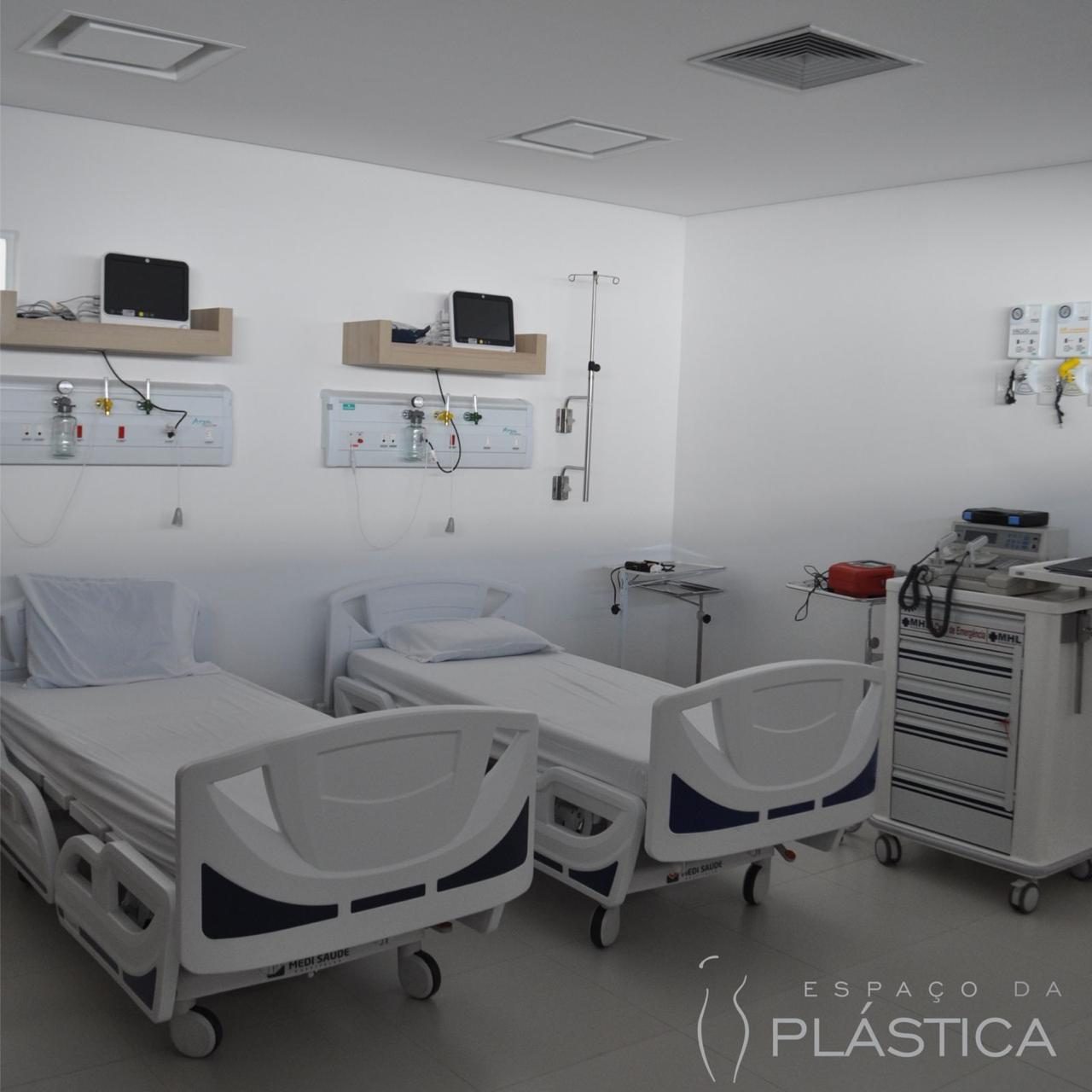
The first hours: waking up under supervision
The period that follows the end of surgery is the most delicate of the entire process. The patient emerges from anesthesia gradually, and that awakening calls for professional supervision: monitoring of vital signs, pain control, attention to nausea and thermal comfort. It is teamwork — and that is why it takes place inside an environment prepared for it, with nursing staff present and the surgeon within reach.
At that moment, the facility matters in a very concrete way: when the operating room and the recovery area are under the same roof, the patient does not have to be transferred from one address to another at their most vulnerable moment. The team that was present through the surgery is the same team present through the awakening — no changes of context, no information lost along the way.
The role of the hospital facility
Recovering in a hospital dedicated to plastic surgery has a discreet but valuable advantage: everyone there does the same thing, every day. The nursing staff knows the particularities of the postoperative period for each type of procedure; the routine of the place was designed around planned elective surgeries — not improvised in the gaps of an emergency room.
That translates into details the patient feels without needing to name: the quick response to the call button, the dressing checked by someone who knows exactly what to look for, the instructions repeated with patience as many times as needed. And if something strays from the expected, the team and the environment are prepared to respond right there, immediately.
Hospitality: why comfort is part of the care
Comfort is often treated as an accessory luxury. In surgical recovery, it is part of the care plan. Sleeping well, being in a quiet and welcoming environment, having privacy for the first dressings and the presence of a companion — all of this reduces anxiety, and a calm patient cooperates better with their own recovery.
That is the logic of hospital hospitality: private rooms designed like suites, carefully chosen linens, serene lighting, and a team attentive to details that never appear on a chart — the room temperature, the timing of rest, the way a light meal is served. None of this replaces medicine; all of it accompanies it.
The first days at home
Hospital discharge does not end the recovery — it only changes its address. The first days at home usually call for calm and adherence to the surgeon's individual instructions, which vary by procedure and by case. In general, this period includes:
- Relative rest. Resting without total immobility, respecting the limits set for your case.
- Care of dressings and the scar, exactly as instructed — no improvising and no internet remedies.
- Use of items indicated by the surgeon, when they are part of the plan — such as compression garments or lymphatic drainage massage sessions.
- Medication at the prescribed times, including pain control, without moving anything up or stopping anything on your own.
- Attention to warning signs. Fever, disproportionate pain, intense redness, or any abrupt change warrants immediate contact with the team — when in doubt, call.
One detail that makes a difference: preparing the house before the surgery. Comfortable clothes within reach, extra pillows, commitments rescheduled, and someone nearby in the first days turn the return home into an extension of the rest — not a new source of effort.
The body recovers — and so do the emotions
There is one aspect of recovery that is rarely talked about: the first days seldom look like the image that motivated the surgery. Swelling and bruising are part of the healing process and are expected; the appearance evolves gradually, over weeks, at the pace of each body. Judging anything by the mirror of the first week is unfair to your own body — and tends to generate unnecessary anxiety.
It is also common for mood to fluctuate during this period. Forced rest, physical discomfort, and anticipation form a combination that calls for patience — with the process and with yourself. Avoid comparing your progress with other people's accounts on the internet: every case is its own case, in the most literal sense of the expression. And if the anxiety tightens, say so to the team following you; welcoming doubts and insecurities is also part of postoperative care.
Every body has its own pace
It is natural to want dates: when do I drive again, go back to work, train again. The honest answer is that these timelines are individual — they depend on the procedure performed, on your body, and on the progress observed at follow-up visits. Be wary of ready-made schedules that promise the same calendar for everyone; trust the follow-up that looks at your progress.
The follow-up visits, in fact, are the guiding thread of this entire phase. That is where the surgeon assesses healing, adjusts instructions, and clears, step by step, the return to activities. Attending every one — even when feeling well — is part of the treatment, not a formality.
How we do it here: at Hospital Espaço da Plástica, in Campo Grande, MS, Brazil, the operating room and the recovery rooms operate under the same roof, with dedicated hospitality and a team devoted exclusively to plastic surgery. Discover the hospitality and the facility of the hospital.
This article is strictly informational in nature and does not replace a medical consultation or your surgeon's individual instructions. Every surgical procedure involves risks. An individual consultation with a plastic surgeon is indispensable.